


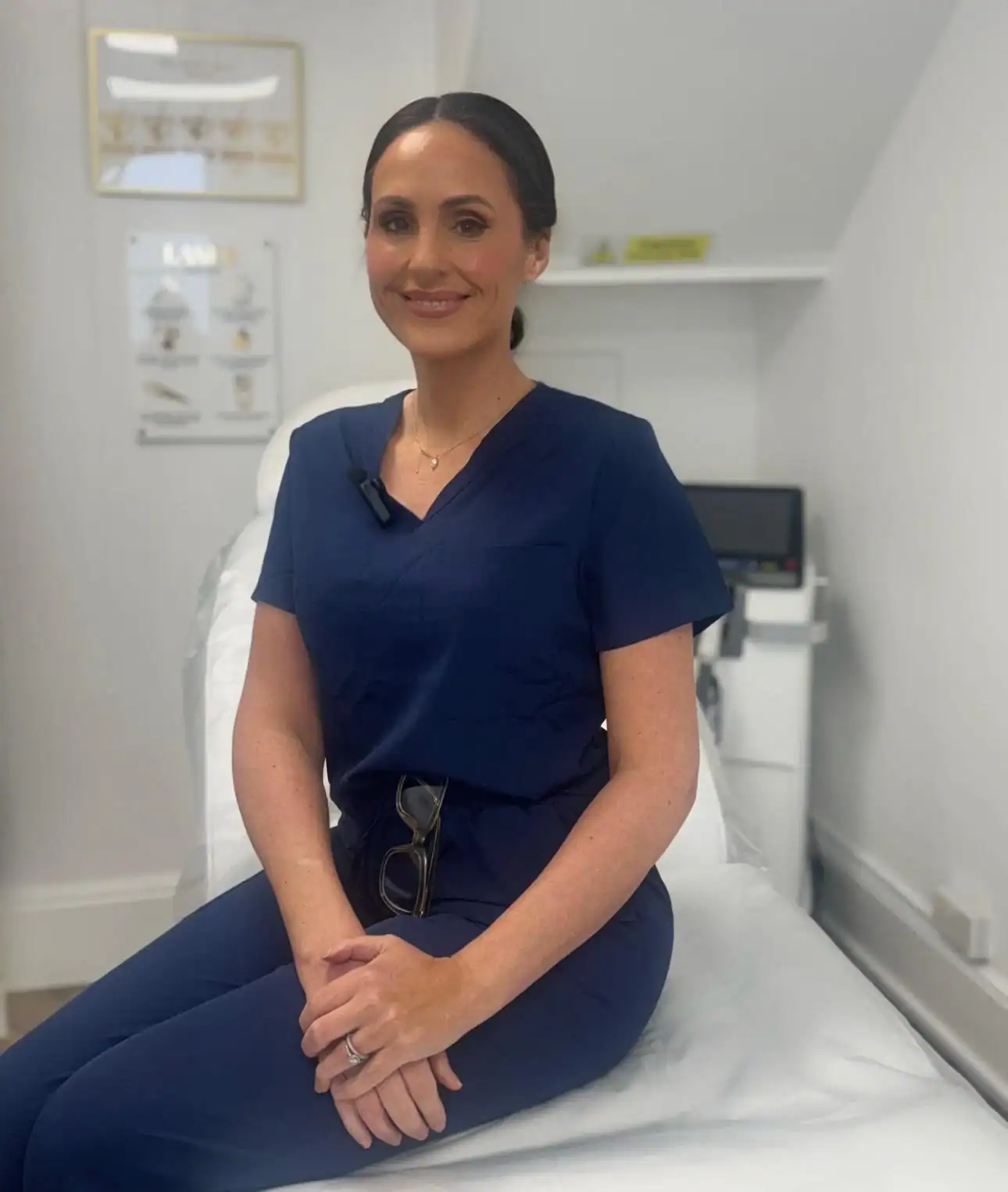
Meyer Clinic ultrasound service offers high-quality, diagnostic imaging in a calm and supportive clinical environment. Led by Andrea Drackett, MSc BSc, an HCPC-registered sonographer with 17 years’ experience and a background in NHS Lead Sonographer roles, we provide detailed scans with clear explanations and prompt, comprehensive reporting.
We offer specialist women’s health ultrasound, including endometriosis-focused and fertility scans, alongside a wide range of abdominal and urinary ultrasound examinations for both women and men.
Whether you have symptoms that need investigation, are seeking reassurance, or want a proactive health check, our ultrasound service provides expert assessment to help guide your next steps with confidence.
This ultrasound service is available for adults only and is not suitable for children or for use during pregnancy.
Types of Ultrasound Scans Available at Meyer Clinic
If you’re living with pelvic pain, painful periods, pain with sex, bowel or bladder symptoms, or unexplained fertility concerns, an endometriosis-focused scan can help build a clearer picture of what may be going on.
This is a detailed, specialist pelvic ultrasound designed to look for features that can be associated with endometriosis, including endometriomas (ovarian cysts) and signs of deep infiltrating endometriosis, as well as related conditions such as adenomyosis and pelvic adhesions.
You’ll have time to talk through your symptoms, and the scan is performed carefully and respectfully, with clear explanations throughout.
You’ll receive a prompt, comprehensive report to support next steps with your GP, consultant, or specialist team. Self-referral is welcome.
For additional clarity alongside your scan, Meyer Clinic offers the ZIWIG Endometriosis saliva test, an advanced diagnostic test designed to help detect endometriosis using specific biomarkers. This can complement your ultrasound findings and support clearer next steps in your care.
The saliva sample is collected during a simple outpatient appointment at Meyer Clinic. Results are sent to you securely by email, with clear guidance on any recommended follow-up.
If you’re post-menopausal and experiencing bleeding, spotting, new pelvic pain, bloating, or ongoing discharge, a pelvic ultrasound is a useful first step to check the uterus and ovaries.
This scan assesses the womb (uterus), lining of the womb (endometrium), cervix, ovaries and surrounding pelvis. We look for causes such as polyps, fibroids, ovarian cysts, and other changes that may need further assessment.
The scan is usually performed transabdominal (tummy) and may include a transvaginal (internal) scan for clearer detail if appropriate and with your consent.
You’ll receive a prompt, clear report to support next steps with your GP or specialist. If you have any post-menopausal bleeding, please seek medical advice promptly. Your scan can help guide onward care.
A pelvic scan is a proactive check of your pelvic organs for reassurance, ideal if you want a baseline assessment, have a history of cysts or fibroids, or you’ve noticed subtle changes such as bloating, cycle changes, pelvic discomfort, or hormonal symptoms.
This scan assesses the uterus (womb), endometrium (womb lining), cervix, ovaries and surrounding pelvis. We look for common findings such as fibroids, ovarian cysts, polyps, signs suggestive of PCOS, and features that may be associated with adenomyosis. The scan is usually performed transabdominal (tummy) and may include a transvaginal (internal) scan for clearer detail if appropriate and with your consent.
An ovarian scan is a focused pelvic ultrasound to assess the ovaries and surrounding pelvis and is ideal if you have pelvic pain, bloating, cycle changes, suspected cysts, PCOS symptoms, or a history of ovarian cysts.
We check the size and appearance of each ovary, look for cysts (including simple, haemorrhagic or endometriomas), assess the follicles, and review the uterus and pelvic area for anything that may be contributing to symptoms. The scan is usually performed transabdominally (tummy) and may include a transvaginal (internal) scan for the clearest detail, with your consent.
You’ll receive a prompt report with clear, practical guidance on whether any follow-up with your GP or specialist is recommended.
A fertility baseline scan is a detailed pelvic ultrasound designed to give a clear “starting point” picture of your pelvic anatomy when you’re trying to conceive, planning fertility treatment, or want reassurance before next steps.
We assess the uterus (womb), endometrium (womb lining), cervix and ovaries, looking for findings that can affect fertility such as fibroids, polyps, ovarian cysts, signs suggestive of PCOS, and features that may be associated with adenomyosis. Where appropriate, we also comment on antral follicle count (AFC) to support fertility planning. The scan is usually performed transabdominal (tummy) and may include a transvaginal (internal) scan for the clearest detail, with your consent.
You’ll receive a prompt, comprehensive report and clear guidance on what the results mean and whether any follow-up with your GP, consultant, or fertility clinic is recommended.
Follicular tracking is a series of pelvic ultrasounds used to monitor your cycle and identify when you’re most likely to ovulate. It’s helpful if you’re trying to conceive, have irregular cycles or PCOS, are using ovulation induction medication, or want more confidence with timing intercourse or insemination.
At each appointment we assess the ovaries and developing follicles, measure the leading follicle(s), and check the womb lining (endometrium) to see how it’s responding through the cycle. Scans are usually performed transvaginally (internal) for the clearest detail, with your consent, and may be combined with a tummy scan if needed.
You’ll receive clear feedback at each visit on what we’re seeing and what it may suggest about likely ovulation timing, plus a written summary/report if required for your clinician or fertility team.
If you’re experiencing symptoms such as irregular or absent periods, acne, excess facial/body hair, weight changes, or you’ve been told you may have PCOS, an ultrasound scan can help assess your ovaries and provide useful information to support diagnosis and treatment planning.
This scan assesses the ovaries and pelvic organs, looking at ovarian size and appearance, follicle pattern, and the uterus (womb). Where appropriate, we can provide measurements and a clear description of findings that may be consistent with polycystic ovarian morphology. The scan is usually performed transabdominally (tummy) and may include a transvaginal (internal) scan for clearer detail, with your consent.
You’ll receive a prompt, comprehensive report to share with your GP or specialist. Please note: PCOS is diagnosed using a combination of symptoms, hormone blood tests and/or ultrasound findings and is one important part of the overall assessment.
To support your ultrasound findings, Meyer Clinic offers a PCOS blood test panel to assess key hormone levels involved in Polycystic Ovary Syndrome. This helps provide a fuller picture, as PCOS diagnosis is based on symptoms, hormone results, and ultrasound findings together.
The blood test is carried out as a simple outpatient appointment at Meyer Clinic. Results are sent to you securely by email, with clear guidance on any recommended next steps.
An upper abdominal ultrasound checks the organs in the upper tummy area and is a helpful first test if you’re experiencing upper abdominal pain, bloating, nausea, reflux symptoms, unexplained abnormal liver blood tests, or you want reassurance.
This scan assesses the liver, gallbladder and bile ducts, pancreas (where visible), spleen, and kidneys. We look for common causes of symptoms such as gallstones, inflammation, cysts, fatty change in the liver, and other structural abnormalities. It’s a safe, non-invasive scan and does not use radiation.
You’ll receive a prompt report with clear findings and guidance on next steps, including whether any follow-up with your GP or specialist is recommended.
This scan assesses the kidneys, ureter and bladder, and includes a focused assessment of the prostate. It’s commonly requested for symptoms such as urinary frequency, urgency, poor flow, getting up at night, pain on passing urine, blood in the urine, recurrent UTIs, or flank/loin pain.
We examine both kidneys for changes such as stones, swelling (hydronephrosis), cysts, or other structural causes of symptoms. We assess the bladder before and after you pass urine to measure bladder emptying (post-void residual). The prostate is assessed abdominally (over the lower tummy) and measured to help support onward management.
You’ll receive a prompt, clear report to share with your GP or specialist, including practical guidance on next steps if anything needs follow-up.
To complement your prostate ultrasound, Meyer Clinic offers Prostate 1 and Prostate 2 (14-day) blood tests, which include PSA testing to help assess prostate health and support early detection of potential concerns.
The test is carried out as a simple outpatient appointment at Meyer Clinic. Results are sent to you securely by email, with clear advice on any recommended follow-up.
An upper abdominal ultrasound checks the organs in the upper tummy area and is a helpful first test if you’re experiencing upper abdominal pain, bloating, nausea, reflux symptoms, unexplained abnormal liver blood tests, or you want reassurance.
This scan assesses the liver, gallbladder and bile ducts, pancreas (where visible), spleen, and kidneys, and we look for common causes of symptoms such as gallstones, inflammation, cysts, fatty change in the liver, and other structural abnormalities. It’s a safe, non-invasive scan and does not use radiation.
A kidney and bladder ultrasound assesses the kidneys and bladder and, for men, includes a focused assessment of the prostate. It’s commonly requested for symptoms such as urinary frequency, urgency, poor flow, getting up at night, pain on passing urine, blood in the urine, recurrent UTIs, or flank/loin pain. We examine both kidneys for changes such as stones, swelling (hydronephrosis), cysts, or other structural causes of symptoms, and we assess the bladder before and after you pass urine to measure bladder emptying (post-void residual). The prostate is assessed abdominally (over the lower tummy) and measured to help support onward management.
A testes (scrotal) ultrasound is a safe, painless scan that looks at the testicles and surrounding tissues. It helps identify common causes of scrotal symptoms and provides clear information quickly. This scan can help identify a lump or swelling in the testicle or scrotum, pain, tenderness or heaviness, recent injury or trauma, changes in size, shape or feel, concerns about a possible cyst, infection or varicocele (enlarged veins), or follow-up of a known finding. The scan checks the testicles and epididymis (the tube behind the testicle), fluid collections such as a hydrocele and cysts, inflammation or infection changes, varicocele (often with Doppler blood flow assessment), solid lumps that may need urgent referral, and blood flow to the testicle, which is important if pain is sudden.
To complement your prostate ultrasound, Meyer Clinic offers Prostate 1 and Prostate 2 (14-day) blood tests, which include PSA testing to help assess prostate health and support early detection of potential concerns.
The test is carried out as a simple outpatient appointment at Meyer Clinic. Results are sent to you securely by email, with clear advice on any recommended follow-up
This scan assesses the kidneys and bladder, and (for men) includes a focused assessment of the prostate. It is commonly requested for symptoms such as urinary frequency, urgency, poor flow, getting up at night, pain on passing urine, blood in the urine, recurrent UTIs, or flank/loin pain.
We examine both kidneys for changes such as stones, swelling (hydronephrosis), cysts, or other structural causes of symptoms. We assess the bladder before and after you pass urine to measure bladder emptying (post-void residual). The prostate is assessed abdominally (over the lower tummy) and measured to help support onward management.
You’ll receive a prompt, clear report to share with your GP or specialist, including practical guidance on next steps if anything needs follow-up.
To complement your prostate ultrasound, Meyer Clinic offers Prostate 1 and Prostate 2 (14-day) blood tests, which include PSA testing to help assess prostate health and support early detection of potential concerns.
The test is carried out as a simple outpatient appointment at Meyer Clinic. Results are sent to you securely by email, with clear advice on any recommended follow-up
A KUB ultrasound assesses the kidneys, ureters (the tubes from the kidneys to the bladder) and the bladder. It’s commonly used to investigate flank/loin pain, suspected kidney stones, blood in the urine, recurrent UTIs, or urinary symptoms such as frequency, urgency, or pain when passing urine.
We examine both kidneys for issues such as swelling (hydronephrosis), stones (where visible), cysts, or other structural changes. We also assess the bladder and, when appropriate, measure how well it empties after you pass urine (post-void residual). The ureters can be difficult to see along their entire course on ultrasound, but we look carefully for indirect signs of obstruction and any visible ureteric dilation.
You’ll receive a prompt, clear report to support next steps with your GP or specialist.
A liver ultrasound is a simple, non-invasive scan to assess the liver and surrounding upper abdominal organs. It is commonly requested if you have abnormal liver blood tests, upper right abdominal discomfort, bloating, or if your clinician wants to check for causes of symptoms such as fatty liver change.
We assess the size and appearance of the liver, look for focal changes such as cysts or lesions, and check related structures including the gallbladder and bile ducts. Where appropriate, we also assess blood flow in the portal vein using Doppler, which helps provide additional information about circulation into the liver. We may also review nearby organs such as the pancreas (where visible), spleen and kidneys to provide a rounded upper abdominal assessment.
You’ll receive a prompt, clear report to share with your GP or specialist, with guidance on any recommended follow-up.
An aorta scan is a quick, non-invasive ultrasound to check the abdominal aorta (the main blood vessel running through the tummy) for widening known as an abdominal aortic aneurysm (AAA). It is commonly requested if there is a family history of AAA, you’ve been advised to have screening, or you want reassurance, particularly for men over 65 or people with risk factors such as smoking, high blood pressure, or raised cholesterol.
During the scan we measure the aorta along its length and check for any enlargement. If an aneurysm is detected, we’ll provide clear measurements and advise appropriate follow-up with your GP or vascular team.
You’ll receive a prompt, clear report. If you have sudden severe abdominal/back pain or feel unwell, seek urgent medical help.
An abdominal and pelvic ultrasound combines an upper abdominal scan with a pelvic scan in one appointment. It’s helpful if you have symptoms such as abdominal pain, bloating, nausea, changes in bowel habit, or pelvic symptoms like period changes, pelvic pain, or pressure, and you want a thorough assessment.
Abdominal assessment: We check the liver, gallbladder and bile ducts, pancreas (where visible), spleen and kidneys, looking for causes such as gallstones, fatty liver change, cysts, inflammation, or other structural changes.
Pelvic assessment: We assess the uterus (womb), endometrium (womb lining), cervix, ovaries and surrounding pelvis, looking for findings such as fibroids, polyps, ovarian cysts, signs suggestive of PCOS, and features that may be associated with adenomyosis. The pelvic scan is usually performed transabdominally and may include a transvaginal (internal) scan for clearer detail if appropriate and with your consent.
You’ll receive a prompt, clear report with guidance on any recommended follow-up with your GP or specialist.
A testes ultrasound is a quick, expert scan to assess testicular pain, swelling, or lumps in a calm and professional setting.
Common reasons to book include: a lump or thickening in the testicle, swelling or suspected fluid (hydrocele), pain, tenderness, or inflammation, possible varicocele (often described as a “bag of worms” feeling)
The scan provides detailed imaging of the testes and surrounding structures to help identify common causes of symptoms.
You’ll receive a prompt, clear written report with guidance on any recommended follow-up with your GP or specialist. Urgent findings are signposted promptly.
MedHealth Ultrasound is an associate of Meyer Clinic and maintains its own insurance coverage.
Book Private Ultrasound Screening
Meet the Private Ultrasound Team

Andrea Drackett
MSc BSc
Sonographer
Andrea is an HCPC registered sonographer with 17 years of experience, including NHS Lead Sonographer roles. She holds an MSc in Medical Ultrasound from King’s College London.
Andrea has an advanced focus in women’s health ultrasound and specialises in detailed pelvic scanning, including assessment for endometriosis, adenomyosis, fibroids and PCOS. She takes a careful, symptom led approach and provides clear, supportive explanations throughout each appointment.

Roma Dave
Specialist Diagnostic Sonographer
Roma Dave is a specialist diagnostic sonographer with over ten years of NHS experience in head and neck ultrasound and ultrasound-guided FNA cytology. She currently works within rapid access and one-stop clinic pathways, with particular expertise in thyroid, lymph node, salivary gland and neck lump assessment.
Private Ultrasound Scanning FAQs
A private ultrasound scan at Meyer Clinic is a diagnostic imaging test performed by an experienced HCPC-registered sonographer. It uses high-frequency sound waves to create detailed images of internal organs without radiation.
Scans are carried out in a calm clinical setting, with clear explanations during your appointment and a prompt, comprehensive written report to support next steps with your GP or specialist.
Meyer Clinic offers a wide range of adult ultrasound scans, including:
- Endometriosis-focused pelvic ultrasound
- Fertility and follicular tracking scans
- PCOS ultrasound scans
- Menopause and post-menopausal bleeding scans
- Ovarian and pelvic scans
- Upper abdominal scans (liver, gallbladder, pancreas, spleen, kidneys)
- Kidney, bladder, ureter and prostate scans
- Testes (scrotal) ultrasound scans
- Aorta (AAA) screening scans
- Combined abdominal and pelvic scans
This service is available for adults only and is not suitable for pregnancy scanning.
No. Self-referral is welcome for all ultrasound scans at Meyer Clinic.
Many patients choose private ultrasound scanning for faster access, reassurance, or proactive health checks. Your report can be shared with your GP or consultant if further follow-up is needed.
Yes. Ultrasound scanning is a safe, non-invasive test that does not use radiation. It is widely used in both NHS and private healthcare settings.
Scans are performed by Andrea Drackett, MSc BSc experienced sonographer with 17 years’ clinical experience, including NHS Lead Sonographer roles.
Most ultrasound appointments take between 30 and 45 minutes, depending on the type of scan.
More detailed examinations, such as endometriosis-focused or combined abdominal and pelvic scans, may take longer to ensure thorough assessment and discussion.
You will receive clear feedback during your appointment. A detailed written report is provided promptly.
If urgent findings are identified, these are clearly signposted so you can seek appropriate medical care without delay.
You may consider booking a scan if you experience:
- Pelvic pain or painful periods
- Post-menopausal bleeding
- Abdominal pain or bloating
- Urinary symptoms (frequency, urgency, poor flow)
- Blood in the urine
- Testicular pain, swelling, or a lump
- Fertility concerns
- Abnormal liver blood tests
Ultrasound can help investigate symptoms or provide reassurance.
An endometriosis-focused ultrasound is a specialist pelvic scan designed to look for features associated with endometriosis, including ovarian endometriomas and deep infiltrating endometriosis.
The scan includes time to discuss symptoms and is performed carefully and respectfully. Meyer Clinic also offers the ZIWIG Endometriosis saliva test to complement scan findings and support clearer next steps.
A prostate ultrasound assesses the size and structure of the prostate and helps investigate symptoms such as poor urinary flow, urgency, frequency, or getting up at night.
To complement imaging, Meyer Clinic offers Prostate 1 and Prostate 2 (14-day) blood tests, including PSA testing, to support early detection and ongoing monitoring of prostate health.
No. The ultrasound service at Meyer Clinic is for adults only and is not suitable for pregnancy scans or paediatric imaging.
If you are pregnant or require a scan for a child, you should seek appropriate specialist services.